|
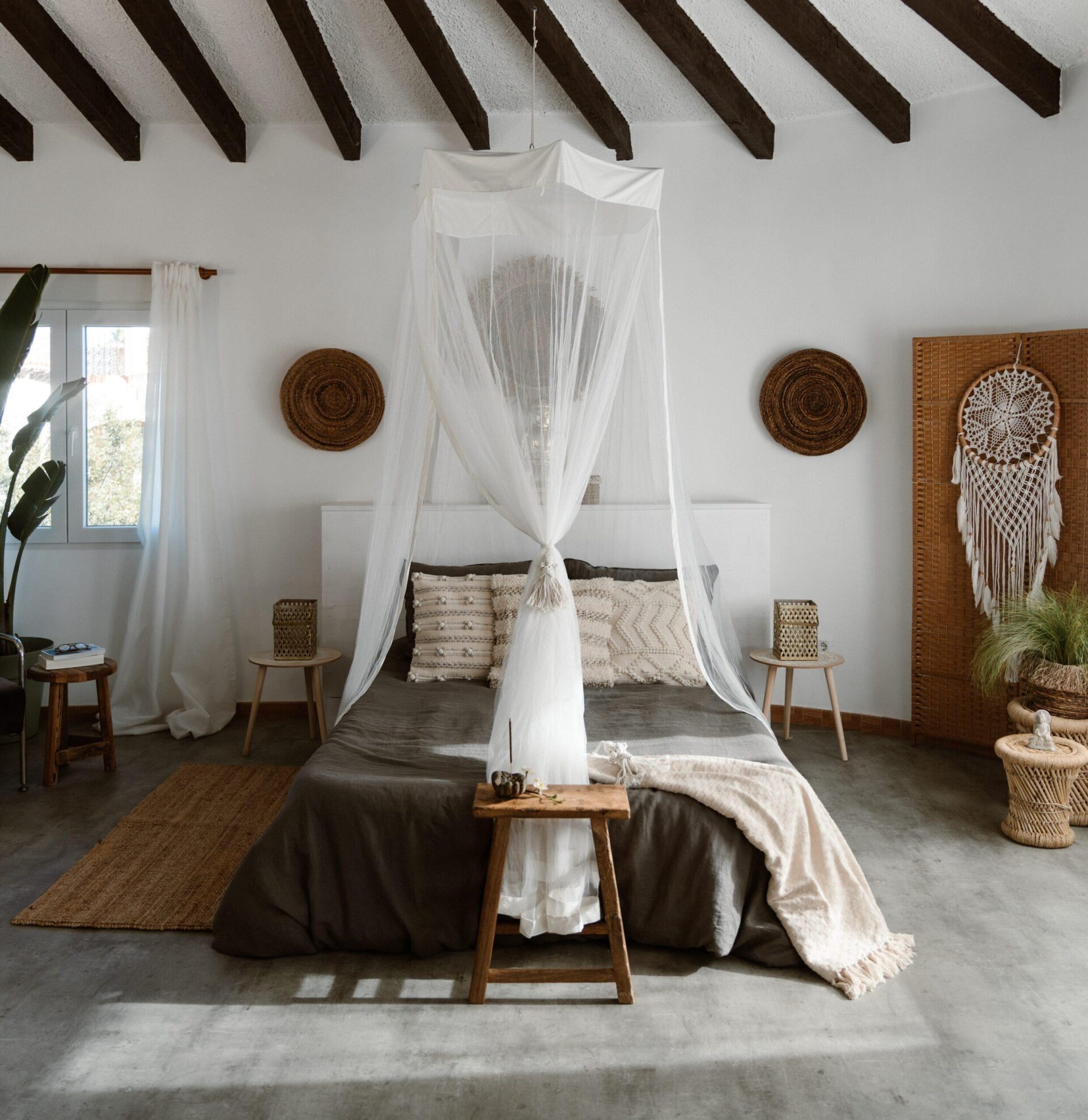
A bedroom should feel sheltered from the pace of everyday life. Yet many interiors are arranged almost entirely around practical furniture: a bed, bedside tables, wardrobes and lighting. The result may be functional, but not necessarily restful. A carefully chosen mosquito net changes that balance. It introduces softness, movement and a subtle sense of enclosure, while still allowing the room to breathe. More Than Insect ProtectionThe original purpose of a mosquito net is clear, but its role in a modern interior can be much broader. Fine fabric creates a visual boundary around the bed without making the space feel closed. Straight walls, hard corners and heavy furniture become less dominant. In their place appears a lighter composition that feels calm and layered. Choosing a Shape That Fits the RoomThe right shape depends on both the bed and the architecture around it. A round model with a single suspension point is often suitable for compact rooms or spaces where installation needs to remain simple. It creates an informal, romantic silhouette and can be draped loosely around the sleeping area. Rectangular models produce a more architectural appearance. They follow the lines of the bed and usually provide more interior space, making entry and movement easier. This structure works particularly well above a double bed or box spring. In rooms with a sloping roof or angled wall, flexible suspension points can preserve the proportions without forcing the fabric into an awkward position. Material Shapes the ExperienceCotton has a warm, tactile character. Its natural texture gives the bedroom a relaxed and refined appearance, particularly when combined with wood, linen, woven baskets and muted tones. Because the fabric has more visual weight, a cotton mosquito net often becomes a central part of the interior. Polyester offers a different quality. It is light, strong, crease-resistant and easy to handle. Its finer structure suits bedrooms with a clean, contemporary style, while reinforced versions can also be practical outdoors. The key consideration is not which material looks best in isolation, but how it interacts with airflow, light, maintenance and the atmosphere you want to create. Craftsmanship Makes the DifferenceA mosquito net may appear simple, yet the final result depends on accurate cutting, balanced proportions and careful finishing. Reinforced edges, reliable suspension points and evenly woven fabric influence durability and daily comfort. Collections produced in small batches often receive closer attention during these stages, which is one reason handcrafted pieces can feel noticeably different from mass-produced alternatives. At Nusarah, this approach is connected to small-scale craftsmanship, thoughtful material choices and designs inspired by nature. The brand develops mosquito nets and complementary home accessories intended to bring protection, elegance and a sense of quiet into indoor and outdoor spaces. Creating a Calm Setting Around the BedThe surrounding styling should support the softness of the mosquito net rather than compete with it. Natural materials are an effective starting point. A wooden bed frame, cotton bedding, a woven rug and a few tactile cushions create continuity. Earthy green, sand, clay and warm white can make the sleeping area feel grounded. Practical Details That Preserve the LookThe fabric should hang freely around the mattress, with enough room to enter and leave without pulling on the seams. Regular airing keeps it fresh, while careful cleaning according to the label protects the weave and finish. When the net is temporarily removed, a breathable cotton storage bag helps prevent dust and creasing. Installation also affects the final appearance. Suspension points should be positioned so the fabric falls evenly rather than twisting toward one side. Measuring the bed, ceiling height and surrounding walking space creates a more balanced result. Once fitted correctly, the mosquito net becomes part of the room’s architecture: protective when needed, decorative throughout the day and quietly present without demanding attention. |